
 EN
EN
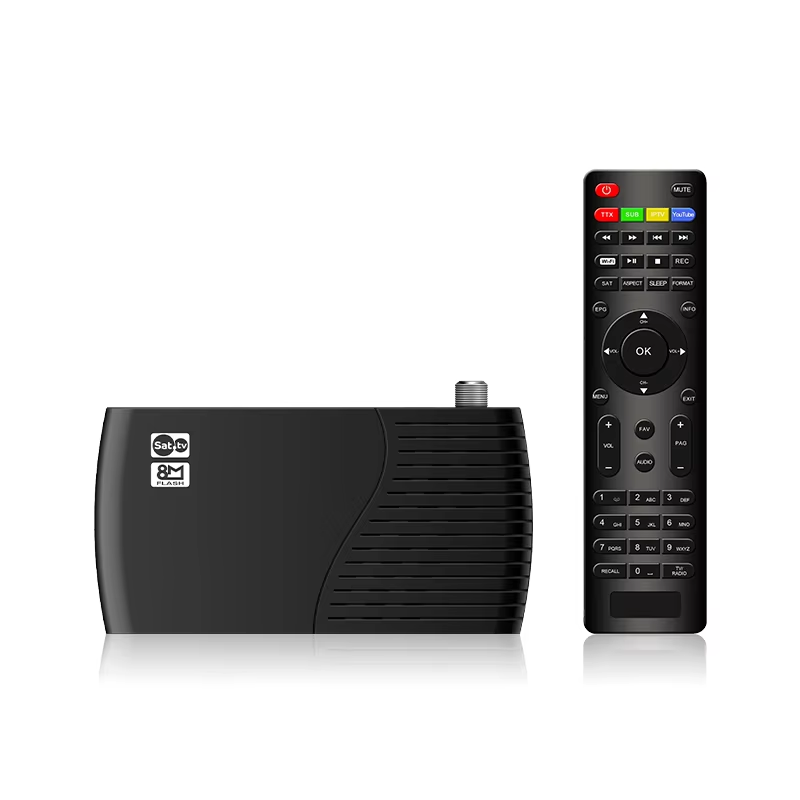
Selecting the right DVB-S2 combo receiver manufacturer is crucial for businesses and distributors looking to offer reliable digital broadcasting solutions. The market for DVB-S2 combo receiver technology continues to expand as consumers demand higher quality video transmission and multi-standard compatibility. A trusted manufacturer ensures product quality, consistent supply chains, and technical support that can make or break your business relationships. Understanding the key factors that distinguish reputable manufacturers from unreliable suppliers will help you make informed decisions that protect your investment and reputation in the competitive digital television market.
Manufacturing Expertise and Technical Capabilities
Advanced Production Facilities
A reliable DVB-S2 combo receiver manufacturer must possess state-of-the-art production facilities equipped with modern testing equipment and quality control systems. The manufacturing environment should comply with international standards such as ISO 9001 and maintain clean room conditions for sensitive electronic component assembly. Look for manufacturers who invest in automated production lines that minimize human error and ensure consistent product quality. The facility should also have dedicated research and development departments that continuously improve existing products and develop new features to meet evolving market demands.
Production capacity is another critical factor to evaluate when choosing a manufacturer. Established manufacturers typically maintain multiple production lines capable of handling large orders while maintaining quality standards. They should demonstrate flexibility in scaling production up or down based on market demands and seasonal fluctuations. The manufacturer's ability to implement lean manufacturing principles and optimize production efficiency directly impacts product costs and delivery timelines, making these considerations essential for long-term partnerships.
Engineering and Design Capabilities
Technical expertise in DVB-S2 technology requires deep understanding of digital signal processing, satellite communication protocols, and multi-standard broadcasting systems. A competent manufacturer should have experienced engineers who stay current with industry standards and emerging technologies. Their engineering team should be capable of customizing products to meet specific regional requirements, regulatory compliance standards, and unique client specifications. This technical competency ensures that the DVB-S2 combo receiver products will perform reliably across different broadcasting environments and market conditions.
The manufacturer's design capabilities should extend beyond basic functionality to include user experience considerations, energy efficiency optimization, and future-proofing features. Innovative manufacturers incorporate advanced features like hybrid broadcast broadband TV capabilities, smart TV functionality, and connectivity options that enhance the product's market appeal. They should also demonstrate proficiency in thermal management, electromagnetic compatibility, and signal integrity to ensure their receivers meet international broadcasting standards and certification requirements.

Quality Assurance and Certification Standards
International Compliance and Certifications
Reputable manufacturers maintain comprehensive certification portfolios that demonstrate compliance with regional and international broadcasting standards. Essential certifications include CE marking for European markets, FCC approval for North American distribution, and other regional regulatory approvals depending on target markets. The manufacturer should provide detailed documentation of their certification processes and maintain current compliance with evolving regulatory requirements. These certifications not only ensure legal market entry but also demonstrate the manufacturer's commitment to producing safe and reliable products.
Quality management systems certified under ISO 9001 or similar standards indicate that the manufacturer follows documented processes for design, production, and quality control. Environmental management certifications such as ISO 14001 and RoHS compliance demonstrate responsible manufacturing practices and environmental stewardship. Additionally, look for manufacturers who maintain supplier quality management systems that ensure consistent component quality throughout their supply chain, as this directly impacts the reliability of the final DVB-S2 combo receiver product.
Testing and Validation Processes
Comprehensive testing protocols distinguish professional manufacturers from those who cut corners on quality assurance. The testing process should include functional verification, environmental stress testing, electromagnetic compatibility testing, and long-term reliability assessments. Manufacturers should maintain well-equipped testing laboratories with calibrated instruments and standardized test procedures that align with industry best practices. These testing capabilities ensure that each DVB-S2 combo receiver meets performance specifications before reaching end customers.
Field testing and validation represent additional quality assurance measures that separate experienced manufacturers from newcomers. Established manufacturers often conduct real-world testing in various geographical locations and broadcasting environments to validate product performance under actual operating conditions. This field validation process helps identify potential issues that might not surface during laboratory testing and enables manufacturers to refine their products based on actual user experiences and feedback.
Supply Chain Management and Reliability
Component Sourcing and Supplier Relationships
Strong relationships with reputable component suppliers form the foundation of reliable DVB-S2 combo receiver manufacturing. Trusted manufacturers maintain strategic partnerships with established semiconductor companies, connector manufacturers, and other critical component suppliers. These relationships ensure consistent component availability, competitive pricing, and access to the latest technological innovations. The manufacturer should demonstrate supply chain resilience through diversified supplier networks and inventory management strategies that prevent production disruptions.
Component quality directly impacts the performance and longevity of DVB-S2 receivers, making supplier qualification processes essential. Reliable manufacturers implement rigorous supplier auditing procedures, incoming inspection protocols, and supplier performance monitoring systems. They should maintain approved vendor lists and conduct regular supplier assessments to ensure continued compliance with quality standards. This systematic approach to supplier management helps maintain consistent product quality and reduces the risk of component-related field failures.
Inventory Management and Delivery Capabilities
Effective inventory management enables manufacturers to respond quickly to customer demands while minimizing working capital requirements. Professional manufacturers utilize advanced inventory planning systems that balance carrying costs with service level requirements. They should maintain strategic inventory levels of critical components and finished goods to support reasonable lead times and handle unexpected demand fluctuations. This inventory strategy should be transparent to customers through regular communication about stock levels and projected delivery schedules.
Delivery reliability encompasses both on-time performance and order accuracy, both critical factors for businesses depending on DVB-S2 combo receiver products for their operations. Established manufacturers maintain partnerships with reliable logistics providers and implement shipment tracking systems that provide visibility throughout the delivery process. They should offer flexible shipping options and demonstrate consistent performance in meeting delivery commitments, as delays can significantly impact customer satisfaction and business relationships.
Technical Support and Customer Service
Pre-Sales Engineering Support
Professional manufacturers provide comprehensive pre-sales technical support to help customers select appropriate products and understand system integration requirements. This support should include detailed product documentation, application notes, and compatibility guides that enable informed decision-making. Technical sales engineers should possess deep product knowledge and industry experience to provide accurate recommendations based on specific application requirements and broadcasting environments.
Customization capabilities represent an important aspect of pre-sales support, particularly for customers with unique requirements or specific market needs. The manufacturer should be able to discuss modification options, development timelines, and associated costs during the pre-sales process. This transparency helps establish realistic expectations and enables customers to make informed decisions about standard versus customized DVB-S2 combo receiver solutions based on their specific business requirements.
After-Sales Support and Warranty Service
Comprehensive after-sales support demonstrates a manufacturer's commitment to long-term customer relationships and product reliability. This support should include technical documentation, firmware updates, troubleshooting assistance, and replacement part availability. The manufacturer should maintain knowledgeable technical support staff capable of resolving customer issues quickly and effectively. Response time commitments and escalation procedures should be clearly defined to ensure consistent service delivery.
Warranty terms and service capabilities provide important insights into manufacturer confidence in their products and commitment to customer satisfaction. Reliable manufacturers offer reasonable warranty periods and maintain service capabilities that support warranty obligations. They should have established procedures for handling warranty claims, including return merchandise authorization processes, repair turnaround times, and replacement product availability. The warranty service network should be accessible to customers in their respective markets to minimize service disruptions.
Financial Stability and Business Credentials
Company Background and Track Record
Evaluating a manufacturer's business history and track record provides insights into their reliability and long-term viability as a business partner. Established manufacturers with several years of operation in the DVB-S2 combo receiver market typically possess the experience and expertise necessary to navigate industry challenges and market fluctuations. Company longevity indicates financial stability and customer satisfaction, as businesses that consistently fail to meet customer expectations typically do not survive in competitive markets.
Customer references and case studies offer valuable perspectives on manufacturer performance and reliability from actual users of their products. Reputable manufacturers should be willing to provide customer references and share success stories that demonstrate their capabilities and customer satisfaction levels. These references can provide insights into product quality, delivery performance, technical support effectiveness, and overall business relationship satisfaction that may not be apparent from marketing materials alone.
Financial Health and Business Practices
Financial stability ensures that the manufacturer can continue operations, honor warranty commitments, and invest in ongoing product development. While detailed financial information may not be publicly available, indicators such as facility investments, employee growth, and market expansion activities suggest healthy business operations. Manufacturers should demonstrate stable business practices through consistent pricing policies, reliable delivery performance, and sustained investment in research and development activities.
Transparent business practices and ethical conduct represent fundamental requirements for establishing trust in manufacturer relationships. This includes clear communication about product capabilities, honest representation of specifications, and fair dealing in commercial negotiations. Manufacturers should maintain professional business practices that comply with applicable laws and regulations, including anti-corruption measures, labor standards, and environmental regulations that may impact their operations and reputation.
FAQ
What certifications should a DVB-S2 combo receiver manufacturer have?
A reliable manufacturer should hold relevant regional certifications such as CE marking for Europe, FCC approval for North America, and other applicable regulatory approvals for target markets. Quality management certifications like ISO 9001 demonstrate systematic quality control processes, while RoHS compliance ensures environmental responsibility. Additionally, look for specific broadcasting industry certifications and compliance with DVB standards that validate the technical competency of their products.
How can I verify the quality of a manufacturer's production facilities?
Request facility tours or virtual presentations that showcase production capabilities, quality control systems, and testing equipment. Professional manufacturers should be transparent about their manufacturing processes and willing to demonstrate their capabilities. Look for evidence of modern equipment, clean production environments, documented quality procedures, and trained personnel. Third-party audit reports and certification documents can also provide independent verification of facility capabilities and quality management systems.
What should I expect for technical support and warranty service?
Comprehensive technical support should include pre-sales application assistance, detailed product documentation, firmware updates, and responsive troubleshooting support. Warranty terms should be clearly defined with reasonable coverage periods and established service procedures. The manufacturer should maintain adequate service capabilities including replacement part availability, repair facilities, and technical support staff with appropriate expertise to resolve customer issues effectively.
How important is the manufacturer's supply chain management?
Supply chain management directly impacts product availability, quality consistency, and delivery reliability. Manufacturers with well-managed supply chains typically offer more stable pricing, shorter lead times, and reduced risk of supply disruptions. Look for evidence of diversified supplier networks, strategic inventory management, and established relationships with reputable component suppliers that ensure consistent product availability and quality throughout the supply chain.
