
 EN
EN
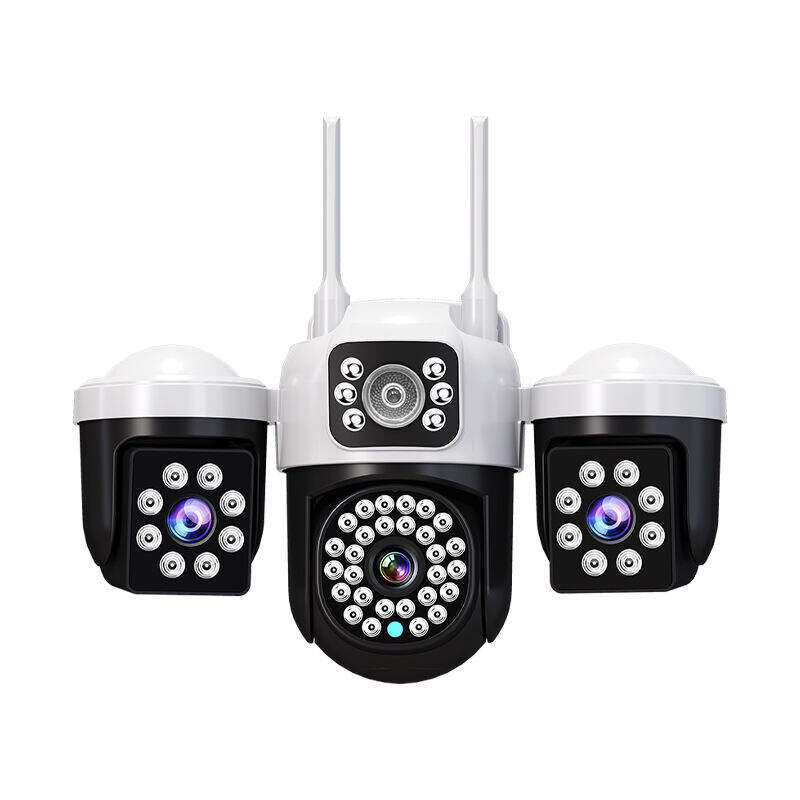
The rapid advancement of wireless technology has revolutionized the security industry, making WiFi cameras an indispensable tool for modern surveillance systems. These innovative devices have transformed how businesses and homeowners approach remote monitoring, offering unprecedented flexibility and convenience. As digital connectivity becomes increasingly prevalent in our daily lives, the demand for wireless security solutions continues to surge across various sectors and applications.
The evolution from traditional wired surveillance systems to wireless alternatives represents a significant paradigm shift in security technology. Modern WiFi cameras eliminate the need for complex cable installations while providing real-time monitoring capabilities that can be accessed from virtually anywhere with an internet connection. This technological leap has made professional-grade security accessible to a broader audience, democratizing surveillance technology for both residential and commercial applications.
Industry statistics reveal that the global wireless camera market has experienced exponential growth over the past decade, with projections indicating continued expansion through 2030. This growth trajectory reflects the increasing recognition of WiFi cameras as essential components of comprehensive security strategies. The integration of artificial intelligence, cloud storage, and mobile connectivity has further enhanced the appeal of these devices among security-conscious consumers.
Technological Advantages of Wireless Surveillance Systems
Installation Simplicity and Flexibility
One of the most compelling advantages of WiFi cameras lies in their installation simplicity compared to traditional wired systems. Property owners can deploy these devices without the need for extensive electrical work or professional installation services. This accessibility has opened new possibilities for temporary surveillance setups, rental properties, and locations where permanent wiring modifications are impractical or prohibited.
The flexibility offered by wireless installation extends beyond initial setup to include system reconfiguration and expansion. Users can easily relocate cameras based on changing security needs or seasonal requirements. This adaptability proves particularly valuable for construction sites, event venues, and other dynamic environments where surveillance priorities may shift over time.
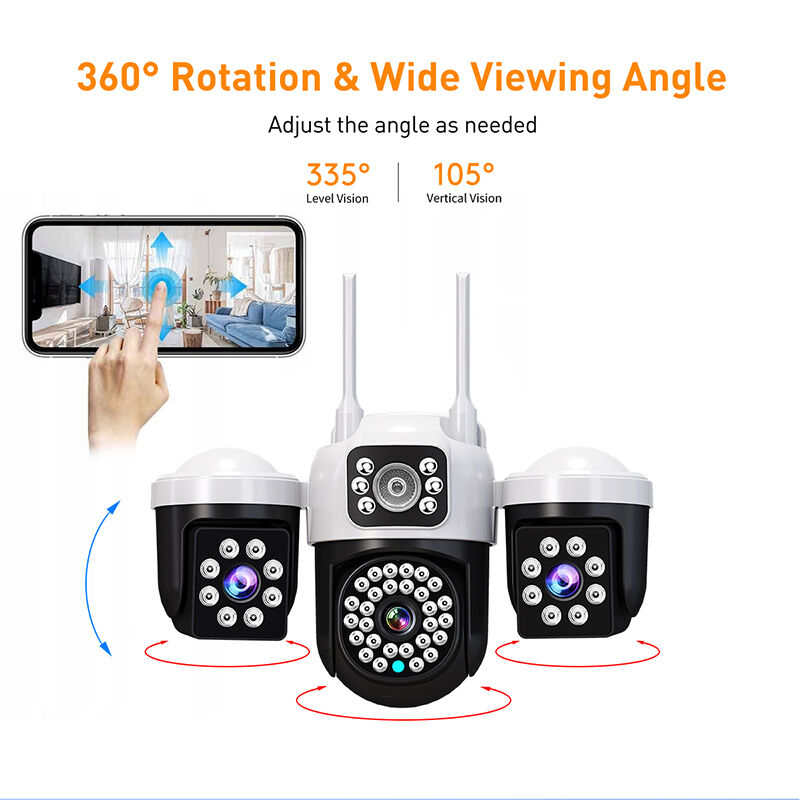
Remote Access and Real-Time Monitoring
Modern WiFi cameras provide unprecedented remote access capabilities through dedicated mobile applications and web interfaces. Users can monitor their properties in real-time from anywhere in the world, receiving instant notifications when motion is detected or other security events occur. This connectivity enables proactive security management rather than reactive responses to incidents.
The integration of cloud-based storage solutions ensures that surveillance footage remains accessible even if local equipment is damaged or compromised. This redundancy provides an additional layer of security for critical surveillance data, making WiFi cameras particularly attractive for high-security applications where evidence preservation is paramount.
Enhanced Features and Smart Technology Integration
Advanced Motion Detection and Analytics
Contemporary WiFi cameras incorporate sophisticated motion detection algorithms that can distinguish between different types of movement, reducing false alarms while maintaining high sensitivity to genuine security threats. These intelligent systems can differentiate between human activity, vehicle movement, and environmental factors such as swaying vegetation or weather-related disturbances.
The integration of artificial intelligence has enabled features such as facial recognition, package detection, and behavioral analysis. These capabilities transform passive surveillance devices into active security partners that can provide meaningful insights about patterns and potential risks. Such advanced functionality was previously available only in enterprise-level security systems but is now accessible through consumer-grade WiFi cameras.
Night Vision and Image Quality Improvements
Recent developments in sensor technology and infrared illumination have dramatically improved the night vision capabilities of WiFi cameras. Modern devices can capture clear, detailed footage in complete darkness, extending surveillance coverage to 24-hour operations. The implementation of dual-lens systems and enhanced image processing algorithms has further improved image quality across various lighting conditions.
High-definition video recording capabilities, including 4K resolution options, ensure that captured footage provides sufficient detail for identification purposes and evidence collection. The balance between image quality and bandwidth efficiency has been optimized to maintain smooth streaming performance while preserving crucial visual information.
Cost-Effectiveness and Scalability Benefits
Reduced Installation and Maintenance Costs
The elimination of complex wiring requirements significantly reduces installation costs associated with WiFi cameras compared to traditional surveillance systems. Property owners can avoid expenses related to cable routing, electrical work, and professional installation services. This cost advantage makes comprehensive security coverage more accessible to small businesses and residential users with limited budgets.
Maintenance requirements for wireless systems are typically lower than their wired counterparts, as there are fewer physical connections that can degrade over time. The ability to perform software updates remotely ensures that devices remain current with the latest security patches and feature enhancements without requiring on-site service calls.
Scalable Security Solutions
WiFi cameras offer exceptional scalability, allowing users to start with a basic system and expand coverage as needs evolve. Additional cameras can be integrated seamlessly into existing networks without major infrastructure modifications. This scalability makes wireless surveillance particularly attractive for growing businesses or properties with evolving security requirements.
The modular nature of WiFi camera systems enables targeted deployments that address specific security concerns without over-investing in unnecessary coverage areas. Users can prioritize high-risk locations while maintaining the option to expand surveillance coverage incrementally based on budget constraints and security assessments.
Industry Applications and Use Cases
Commercial and Retail Security
Retail establishments have embraced WiFi cameras as essential tools for loss prevention, customer behavior analysis, and staff monitoring. The ability to access multiple store locations remotely enables centralized security management for retail chains and franchises. Real-time alerts help prevent theft and ensure rapid response to security incidents.
Office environments benefit from discrete wireless surveillance that can monitor access points, common areas, and valuable equipment without disrupting daily operations. The professional appearance and compact form factor of modern WiFi cameras allow for subtle integration into workplace environments while maintaining comprehensive security coverage.
Residential and Home Security Applications
Homeowners increasingly rely on WiFi cameras for comprehensive property protection, including doorbell cameras, perimeter monitoring, and interior surveillance. The integration with smart home systems enables automated responses to security events, such as activating lights or sending notifications to family members. This connectivity creates a cohesive security ecosystem that enhances overall home protection.
Vacation homes and rental properties particularly benefit from wireless surveillance capabilities, as property managers can monitor conditions remotely and respond quickly to maintenance issues or security concerns. The ability to verify property conditions between guest stays helps maintain quality standards and identify potential problems before they escalate.
Future Developments and Market Trends
Integration with Internet of Things Ecosystems
The convergence of WiFi cameras with broader Internet of Things ecosystems represents a significant trend that will shape future surveillance applications. Integration with smart sensors, automated lighting systems, and access control devices creates comprehensive security solutions that respond intelligently to environmental changes and security events.
Edge computing capabilities are being incorporated into WiFi cameras to enable local processing of video analytics, reducing bandwidth requirements and improving response times. This development addresses privacy concerns while enhancing the intelligence and efficiency of wireless surveillance systems.
Enhanced Privacy and Security Features
Manufacturers are implementing advanced encryption protocols and security measures to address growing concerns about data privacy and cybersecurity. End-to-end encryption, secure authentication methods, and local storage options provide users with greater control over their surveillance data while maintaining the convenience of wireless connectivity.
The development of privacy-focused features, such as automatic face blurring and zone-based recording restrictions, helps users comply with privacy regulations while maintaining effective security coverage. These capabilities demonstrate the industry's commitment to balancing security needs with privacy protection requirements.
FAQ
How reliable is WiFi connectivity for security cameras
WiFi cameras have become increasingly reliable due to improvements in wireless technology and network infrastructure. Modern devices support dual-band connectivity and can automatically switch between network frequencies to maintain stable connections. However, the reliability ultimately depends on the strength and stability of your internet connection. For critical security applications, consider backup connectivity options or hybrid systems that combine wireless and wired connections.
What are the power requirements for WiFi cameras
Most WiFi cameras require a constant power source, typically provided through standard electrical outlets or Power over Ethernet connections. Battery-powered options are available for locations without convenient power access, though these require periodic recharging or battery replacement. Solar-powered variants offer sustainable solutions for remote locations with adequate sunlight exposure. The power consumption varies based on features such as night vision, continuous recording, and wireless transmission requirements.
Can WiFi cameras work without internet connectivity
While WiFi cameras can function on local networks without internet access, many features require online connectivity. Local recording to SD cards or network-attached storage devices can continue during internet outages, but remote monitoring, cloud storage, and mobile notifications will be unavailable. Some advanced models offer local storage with automatic synchronization when connectivity is restored, ensuring no footage is lost during temporary disconnections.
How do WiFi cameras handle data security and privacy concerns
Reputable WiFi camera manufacturers implement multiple layers of security including encrypted data transmission, secure authentication protocols, and regular firmware updates. Users should choose devices from established manufacturers, regularly update firmware, use strong passwords, and enable two-factor authentication when available. Local storage options and privacy zones can address concerns about cloud-based data storage while maintaining surveillance effectiveness for designated areas.
